
Behind the Waves: 7 Surprising Secrets of Royal Caribbean Cruise Ships
Have you ever stopped to wonder what actually happens behind the scenes aboard a Royal Caribbean cruise ship?
By Ryan Bird, Royal Cove Blogger11 min read
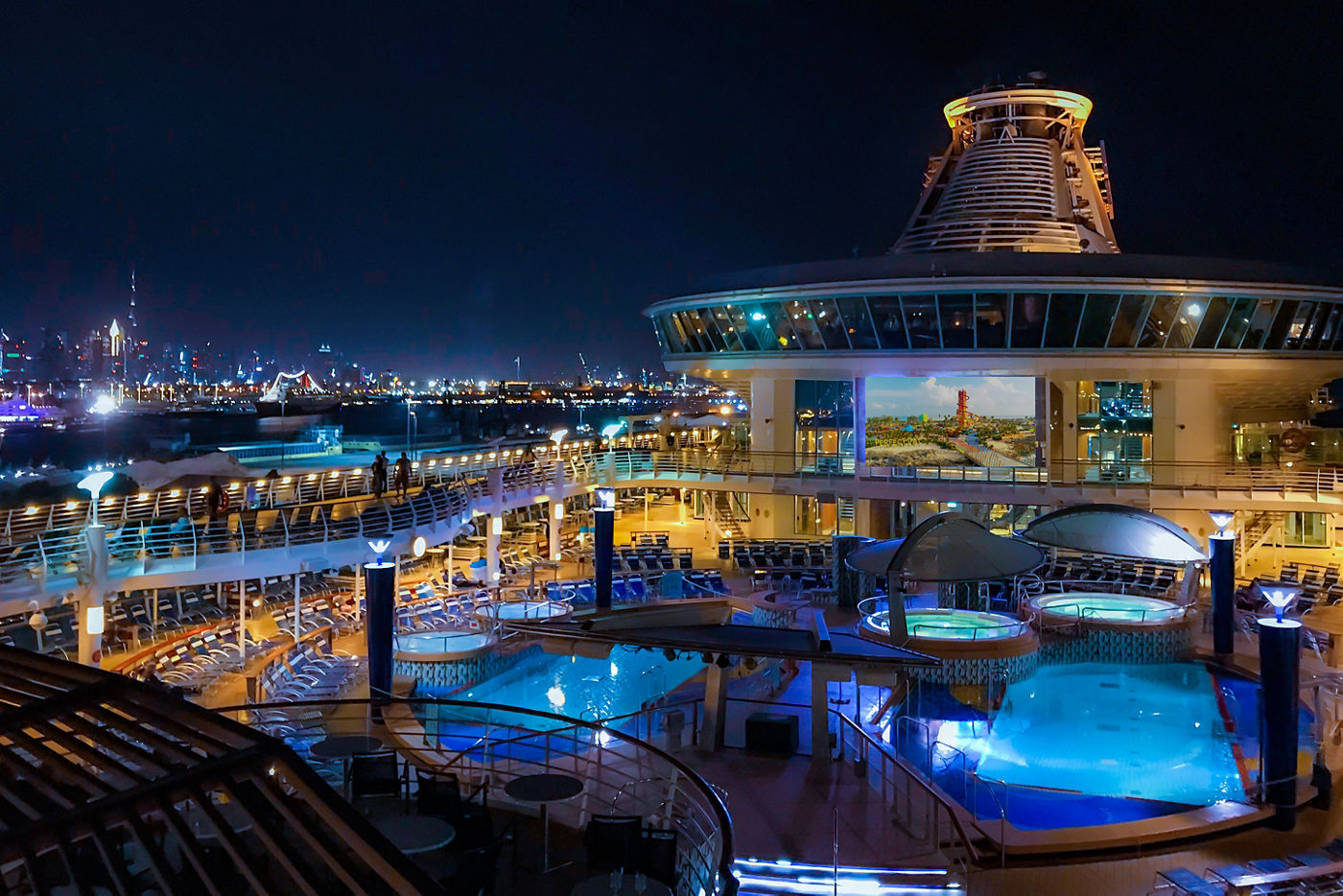
In this article
- Introduction
- 1. Royal Caribbean Uses Emergency Codes Most Passengers Don't Understand
- 2. Royal Caribbean Cruise Ships Produce Their Own Fresh Water
- 3. There's an Entire Hidden World Behind the Passenger Areas
- 4. Feeding Thousands of Passengers Requires Incredible Planning
- 5. Your Cruise Ship Really Can Leave Without You
- 6. Royal Caribbean Ships Have Advanced Waste Management Systems
- 7. Perfect Weather Doesn't Guarantee Your Cruise Ship Will Visit a Port
Introduction
Behind every unforgettable cruise holiday is an extraordinary amount of planning, technology and teamwork. From the moment passengers wake up until long after the entertainment venues have closed, thousands of crew members work to keep everything running smoothly.
From mysterious emergency announcements to the impressive ways ships produce fresh drinking water and prepare thousands of meals, here are seven behind the scenes facts about Royal Caribbean cruise ships that even experienced cruisers might not know.
1. Royal Caribbean Uses Emergency Codes Most Passengers Don't Understand
Have you ever been relaxing by the pool aboard a Royal Caribbean ship when an unusual announcement suddenly comes over the speakers? You might hear something like "Alpha, Alpha, Alpha", followed by a location somewhere aboard the vessel. While most passengers might not understand what the announcement means, designated crew members know how to respond. Cruise ships use established emergency terminology to communicate important information quickly and efficiently. These announcements help direct trained personnel to situations requiring attention without unnecessarily alarming everyone aboard.
What Does Alpha Mean?
On Royal Caribbean ships, Alpha is widely reported as an emergency code associated with a medical emergency. When such an announcement is made, designated medical and emergency-response personnel may be directed to a particular location aboard the ship. The exact response depends on the nature of the incident and the ship's emergency procedures.
For example, if a passenger experiences a serious medical problem in a restaurant or public area, the crew must coordinate assistance while maintaining a safe environment for other guests. Rather than broadcasting detailed medical information throughout the vessel, emergency terminology allows relevant personnel to communicate efficiently.
Why Are Emergency Codes Important?
Imagine a cruise ship carrying more than 5,000 passengers when someone suddenly requires urgent medical attention. The crew must respond quickly, coordinate the necessary equipment and ensure medical professionals can reach the passenger. Using established emergency procedures helps the appropriate personnel understand what is happening and where assistance is required.
Different emergency procedures exist for situations involving medical incidents, fires, security concerns and other operational emergencies. However, the precise terminology and response procedures can vary between cruise lines and individual vessels. Royal Caribbean does not publicly provide a comprehensive, current list of every emergency code used across its fleet.
What Happens During a Medical Emergency?
Royal Caribbean ships have onboard medical centres staffed by healthcare professionals. These facilities can provide treatment for various illnesses, injuries and medical emergencies. Depending on the seriousness of a situation, medical personnel may treat the passenger aboard or recommend further medical attention ashore. In particularly serious circumstances, a ship may need to change its itinerary or coordinate a medical evacuation.
However, hearing an emergency announcement does not automatically mean that the vessel will return to port.
Did you know? Cruise ships are equipped to provide medical care at sea, but onboard medical facilities are not intended to replace the full range of services available at a major hospital.
2. Royal Caribbean Cruise Ships Produce Their Own Fresh Water
Imagine being aboard a Royal Caribbean ship in the middle of the Atlantic Ocean. Thousands of passengers are taking showers, restaurants are preparing meals, laundry facilities are operating and drinking water is being consumed throughout the vessel. All of these activities require enormous quantities of fresh water. But where does that water come from when the ship is surrounded by salt water?
The answer is one of the most impressive engineering systems aboard a modern cruise ship. Royal Caribbean ships produce much of their own fresh water using specialised desalination technology. This allows vessels to reduce their reliance on freshwater supplies collected in port while supporting the daily needs of passengers and crew.
How Does Desalination Work?
Royal Caribbean uses technologies including reverse osmosis and evaporation to produce fresh water. Reverse osmosis involves forcing seawater through specialised membranes under high pressure. These membranes separate dissolved salts and other impurities from the water, allowing it to undergo further treatment before being used aboard.
Another method involves evaporation and distillation. This process uses heat to evaporate seawater, separating the water from dissolved salts. The resulting vapour is cooled and condensed into fresh water. Both methods help provide water for essential onboard activities.
How Much Fresh Water Do Ships Produce?
The amount depends on the size of the ship, its equipment and its operational requirements. Royal Caribbean Group has reported that more than 93% of the freshwater used aboard its ships is produced through onboard desalination systems. This highlights the importance of water production to modern cruise operations. However, ships can also resupply freshwater while docked in port.
Royal Caribbean Also Works to Conserve Water
Producing fresh water is only part of the challenge .Cruise ships must also manage their consumption carefully. Royal Caribbean Group has described using water-saving technologies and recovering condensation generated by air-conditioning systems.Instead of allowing all this collected water to go to waste, some ships can reuse it for suitable operations, including laundry. These measures help reduce demand on the ship's freshwater supply.
Did you know? Freshwater production systems are an essential part of cruise ship engineering, allowing vessels to operate for extended periods while carrying thousands of passengers and crew.
3. There's an Entire Hidden World Behind the Passenger Areas
When you walk through the Royal Promenade or explore the impressive neighbourhoods aboard an Oasis-class or Icon-class ship, you see restaurants, shops, entertainment venues and beautifully designed public spaces. However, behind these areas lies an extensive network of operational facilities that most passengers never experience. Cruise ships have dedicated spaces for crew members, equipment, supplies and essential services. These facilities are designed to support the thousands of people who live and work aboard.
The Famous I-95 Corridor
One of the most interesting features found aboard Royal Caribbean ships is the crew service corridor commonly known as I-95. Named after the major American highway, this corridor provides an important route through operational areas of the ship. It allows crew members to transport supplies, move equipment and travel between different working areas without unnecessarily passing through busy passenger spaces.
Depending on the ship's layout, these service corridors connect areas such as storage facilities, laundry operations and other essential departments. For passengers, the work taking place behind these doors often goes completely unnoticed.
Where Do Crew Members Live?
Royal Caribbean employs crew members from countries around the world. Many spend several months aboard during their contracts, meaning the ship serves as both their workplace and temporary home. Crew accommodation and recreational facilities are therefore an important part of ship design.
Depending on the vessel, dedicated crew areas may include dining rooms, lounges, gyms and other spaces where employees can relax between shifts. These facilities help support daily life aboard. Although some crew accommodation and service areas are located on lower decks, their exact locations vary depending on the vessel's design.
Can Passengers Explore These Hidden Areas?
Normally, operational spaces are restricted to authorised personnel. However, Royal Caribbean offers an All Access Tour on participating ships. These behind-the-scenes experiences allow passengers to visit selected operational areas and learn more about how the vessel functions.
Depending on the ship and tour itinerary, guests may explore areas such as the galley, laundry facilities, service corridors and engine control room. It's an opportunity to see how much work takes place away from the public areas.
Did you know? Royal Caribbean's All Access Tour can include the I-95 crew corridor, giving passengers a glimpse into an area normally reserved for crew members.
4. Feeding Thousands of Passengers Requires Incredible Planning
Imagine running a restaurant that serves thousands of customers every day. Now imagine operating that restaurant in the middle of the ocean, where ordering additional ingredients at short notice isn't always possible. This is the challenge faced by Royal Caribbean's culinary teams. Some of the cruise line's largest ships accommodate 5,500+ passengers and crew members, all requiring meals throughout the voyage.
From breakfast buffets and casual lunches to speciality restaurants and elaborate multi-course dinners, the scale of food preparation is extraordinary.
How Much Food Does a Cruise Ship Need?
The amount of food required depends on the ship's size, passenger numbers and length of the voyage. However, the quantities involved can be remarkable.
What Happens During Turnaround Day?
Turnaround day is one of the busiest periods for any cruise ship. While passengers from the previous sailing disembark, crew members must prepare the vessel for its next voyage. Thousands of pieces of luggage must be handled, cabins cleaned and supplies replenished.
Fresh ingredients are delivered to the ship, checked and transported to appropriate storage areas. Meanwhile, the crew must prepare restaurants, public spaces and accommodation for arriving passengers. All of this takes place within a relatively short period while the vessel is docked.
Did you know? Food planning begins long before a cruise departs. Ingredients must be ordered, delivered, inspected and stored to ensure sufficient supplies are available throughout the sailing.
5. Your Cruise Ship Really Can Leave Without You
One of the most important rules of cruising is surprisingly simple: Never miss the all-aboard time. Imagine spending a fantastic day exploring a Caribbean island. You've enjoyed the beaches, visited local attractions and stopped for something to eat. Unfortunately, you lose track of time. When you finally return to the cruise terminal, your ship has already departed. Although it might sound like something from a holiday film, passengers can be left behind when they fail to return before departure.
Why Won't the Ship Always Wait?
Cruise ships operate according to carefully planned schedules. Their departure times can be influenced by port availability, navigation requirements, tidal conditions and the distance to the next destination. A delay could affect the ship's ability to arrive at its next port on schedule. It may also create additional operational challenges. For these reasons, the captain cannot always delay departure for passengers who return late. However, departure decisions depend on the circumstances, and a ship may sometimes wait when operational conditions allow.
All-Aboard Time vs Departure Time
One mistake passengers can make is confusing the ship's scheduled departure time with its all-aboard time. The all-aboard time is the deadline by which guests are expected to return to the vessel. It is normally earlier than the ship's actual departure. This allows crew members to complete passenger checks, secure the gangway and prepare for departure. Passengers should always follow the specific all-aboard time communicated by the ship.
What Happens If You Miss Your Cruise Ship?
Missing the ship can become a stressful and expensive experience. Depending on the circumstances, passengers may need to arrange alternative transportation to reach the vessel at another destination. However, rejoining the ship is not always possible. Immigration requirements, travel documentation and transport availability can all affect the options available. Royal Caribbean advises passengers who miss departure to contact its Emergency Travel Team for assistance.
What If You're on a Royal Caribbean Shore Excursion?
Booking an excursion directly through Royal Caribbean provides additional protection. Royal Caribbean states that if one of its organised shore excursions is delayed, the ship will wait for returning guests. If the delay is so significant that the ship cannot wait, the cruise line says it will arrange transportation for those guests to rejoin the vessel at no additional cost.
Did you know? Your phone may automatically adjust to local time when visiting a destination. Always confirm the ship's time before heading ashore, as it maybe different from local time.
6. Royal Caribbean Ships Have Advanced Waste Management Systems
With thousands of passengers eating, drinking, showering and using onboard facilities every day, cruise ships generate substantial quantities of waste. Managing that waste is an important part of operating a modern vessel. Royal Caribbean uses specialised equipment and procedures to collect, separate, process and manage different types of waste. These systems help support environmental compliance while reducing the impact of ship operations.
What Happens to Plastic and Other Rubbish?
Solid waste is handled separately. Cruise ships have dedicated areas where materials can be collected, sorted and prepared for appropriate disposal or recycling. Depending on the vessel, equipment may include glass crushers, cardboard compactors and other waste-processing machinery. Recyclable materials will then be sent to suitable processing facilities when the ship reaches port.
Does Waste Get Dumped Into the Ocean?
Cruise ships must comply with international maritime regulations governing waste disposal. Under the International Convention for the Prevention of Pollution from Ships, commonly known as MARPOL, the discharge of plastics into the sea is prohibited.
Requirements can also vary depending on national regulations and environmentally sensitive areas.
Did you know? Modern cruise ships have dedicated environmental personnel responsible for overseeing waste-management procedures and helping ensure compliance with applicable regulations.
7. Perfect Weather Doesn't Guarantee Your Cruise Ship Will Visit a Port
Imagine waking up aboard your Royal Caribbean ship, opening the curtains and seeing beautiful sunshine. The sky is clear, the temperature is warm and the sea appears relatively calm. Everything seems perfect for a day exploring your next destination. Then an announcement comes over the speakers explaining that the scheduled port visit has been cancelled. Naturally, passengers might wonder why the ship cannot dock when the weather looks so pleasant. The answer is that safe navigation depends on much more than sunshine.
Strong Winds Can Make Docking Dangerous
Modern cruise ships are enormous ships. When exposed to strong crosswinds, these surfaces experience significant wind forces. Even when conditions appear comfortable from a passenger's balcony, the wind may make manoeuvring alongside a pier difficult. Captains must consider the vessel's handling characteristics, harbour layout, available manoeuvring assistance and prevailing conditions. If the ship cannot safely approach or leave the berth, because of severe weather, high winds, heavy swells, or rough seas the captain may decide that the port visit cannot happen.
Royal Caribbean confirms that itineraries may change because of other conditions like mechanical difficulties too.
What Happens If Your Port Is Cancelled?
Depending on the situation, Royal Caribbean may replace the cancelled destination with another port or introduce an additional day at sea. Sometimes an alternative destination is available, while other circumstances leave the ship with limited options. The captain and cruise line must consider safety, navigation requirements and the remainder of the itinerary before making a decision. Passengers who have booked shore excursions through Royal Caribbean should follow the cruise line's instructions regarding cancellations and refunds.
Those who have arranged independent excursions may need to contact their tour providers directly.
Did you know? A port cancellation does not necessarily mean the destination is experiencing bad weather. Conditions affecting a ship's ability to dock safely can be very different from those passengers observe from their balconies.
KEEP EXPLORING
Your next rabbit hole.
 FIRST-TIMER FRIENDLY
Ship life
Your first cruise. Zero guesswork.
A calm, practical guide to choosing your first sailing without the overwhelm.
8 min read
 CABIN TALK
Cabins
Is the balcony worth it?
How to decide whether your own slice of sea view belongs in the budget.
5 min read